Essential Tips for Taking Stunning Destination Guide Photos
The role of photography in destination guides has shifted from mere ornament to a core decision-making tool. This analysis examines current practices, common pitfalls, and what travelers and content creators should consider when capturing images that inform as well as inspire.
Recent Trends
Industry observers note a move away from heavily staged, oversaturated images toward naturalistic shots that reflect real conditions. Key developments include:
- Rising preference for candid scenes of daily life over posed landmarks
- Greater use of smartphone cameras with lightweight editing apps
- Integration of “practical” angles showing queues, signage, and weather
- Increased reliance on user-generated content in official travel guides
These trends respond to travelers’ desire for trustworthy visuals that reduce the gap between expectation and reality.
Background
Traditional destination photography centered on grand monuments and wide-angle panoramas, often captured during ideal lighting. The rise of social media influencers popularized highly stylized, filter-heavy images. However, guide publishers and frequent travelers soon found that such pictures could mislead—for example, omitting crowds or presenting locations at peak golden hour exclusively.
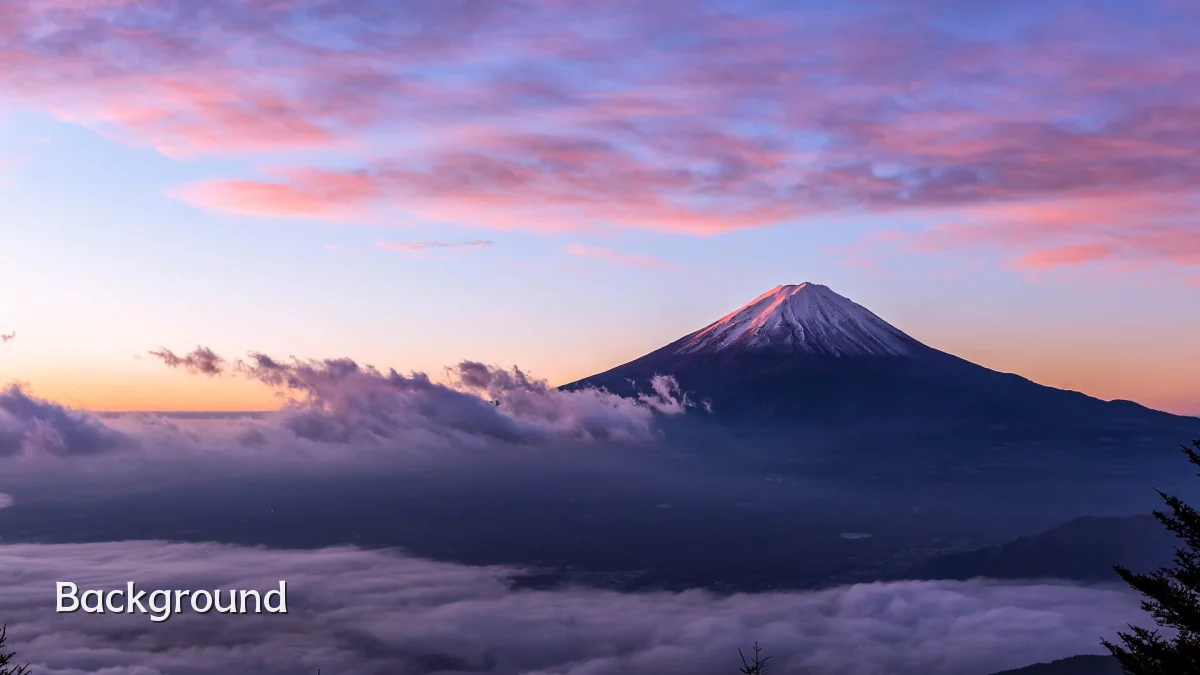
Foundational techniques remain relevant: attention to composition (rule of thirds, leading lines), shooting during golden or blue hours, and using tripods for low-light stability. Yet the emphasis now lies on documenting context—time of day, adjacent facilities, and accessibility details—alongside the postcard shot.
User Concerns
Both guide creators and end-users express several recurring issues:
- Accuracy vs. aesthetics – Over-editing can leave visitors disappointed when reality differs.
- Practical information – Travelers want to know how a spot looks at noon, not just sunrise.
- Copyright and attribution – Clear licensing becomes essential when images are shared across platforms.
- File size vs. quality – Large images slow loading times on mobile; compression must be balanced.
These concerns drive a demand for more structured guidelines that prioritize utility without sacrificing visual appeal.
Likely Impact
If adopted widely, a more disciplined approach to destination guide photography could reduce “what‑you‑see‑is‑not‑what‑you‑get” frustration. Photographers will need to capture mundane yet crucial elements—such as entrance signs, ticket booths, and nearby restrooms—alongside scenic frames.
AI‑assisted editing tools may streamline color correction and noise reduction, but they also raise questions about authenticity. Smaller travel creators who share relatable, low‑budget imagery may gain influence as audiences seek trustworthy perspectives over polished marketing.
What to Watch Next
- Adoption of 360‑degree stills or short video clips to provide immersive previews of spaces.
- Formal guidelines by travel platforms on ethical representation of local cultures and landmarks.
- Emergence of moderated crowd‑sourced photo libraries where quality checks ensure consistency.
- Evolution of copyright norms as AI‑generated elements blur the line between original and edited content.
The future of destination guide images will likely balance technical precision with honest storytelling—a shift that rewards both the photographer’s skill and the traveler’s trust.