How a Rainy Morning in Kyoto Taught Me to Travel Slower

Recent Trends
Over the past few seasons, a growing number of travel narratives have shifted from "bucket-list itineraries" to mindful, slower experiences. Blog posts and social media threads now often highlight the value of unstructured mornings, chance encounters, and weather-driven detours. Platforms like Medium and Substack see regular essays that frame a rainy half-day in a temple district as more enriching than a packed schedule of landmarks. These pieces resonate with readers who report feeling overwhelmed by constant activity during trips.
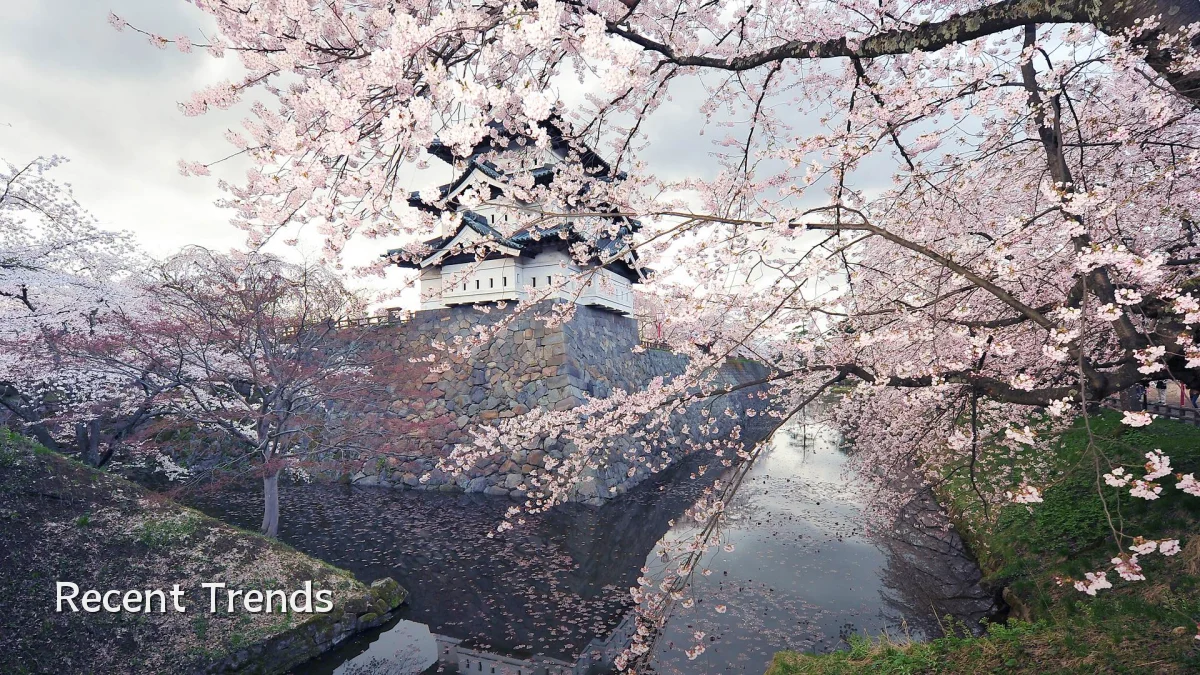
- Search volume for "slow travel tips" has risen steadily, according to general trend data from travel industry observers.
- Travel essay blogs that focus on a single, sensory moment rather than a full day’s itinerary receive higher engagement and longer read times.
- Hotels and tour operators now market "unhurried" packages, often featuring free-form mornings and guided meditative walks.
Background
The "slow travel" philosophy draws from the broader slow movement, which began in the 1980s as a reaction to fast food and fast living. In travel writing, it gained traction in the early 2000s with authors who argued that moving between many cities in a short trip diminishes cultural immersion. A rainy morning in Kyoto—with its misty temples, quiet alleyways, and the sound of water on moss—has become a near-archetype in this genre. The essay under analysis uses exactly such a scene to argue that slowing down allows the traveler to notice texture, light, and local rhythms that a rushed schedule would obscure.
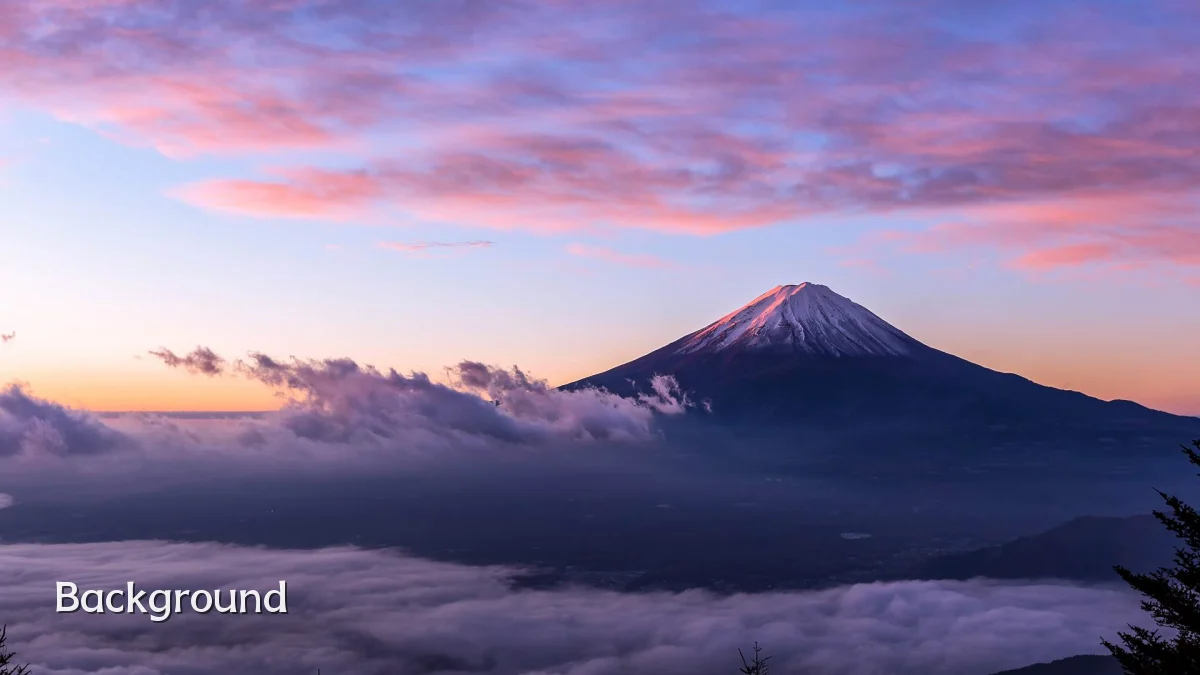
“A single downpour can force you off the checklist and into the present—that’s the core lesson many slow-travel essays return to.” — conventional observation from travel literature reviewers
User Concerns
Readers of travel essay blogs often voice practical anxieties when faced with the "slow" ideal. They worry about missing must-see sights, spending money on fewer activities, or struggling to fill downtime without a plan. Others question whether slower travel is feasible for short vacations or family trips with children. A common concern is the pressure to derive deep meaning from every quiet moment, which can itself become stressful.
- FOMO (fear of missing out): Will skipping a famous temple for a spontaneous tea house visit feel like a wasted opportunity?
- Budget uncertainty: Does lingering in one area cost more per day, or can it save money by reducing transit and entry fees?
- Logistics: How do you plan a slow trip without an itinerary? Many travelers need at least a loose framework to feel comfortable.
Likely Impact
As travel essay blogs continue to elevate the value of slow, sensory experiences, the broader travel industry is adjusting. Hotels are redesigning lobbies as "lingering spaces" with deeper seating and reading nooks. Guided tours now offer "unscripted hours" where participants can wander and return for discussion. However, the impact is uneven. Budget airlines and packed schedules still dominate mass tourism. The real change appears in niche markets—luxury retreats, solo travel, and cultural immersion programs—where the ability to "waste time gracefully" is accepted as a core benefit.
| Sector | Observed Shift | Example Criteria |
|---|---|---|
| Accommodation | In-room guides to local slow rituals (morning tea, garden walks) | Moderate price increase vs. standard rooms |
| Tour operators | Half-day "empty slot" bookings that leave afternoons free | Only offered on weekdays in off-peak seasons |
| Travel media | More essays with single-scene, weather-driven narratives | Higher editorial acceptance for personal, non-listicle formats |
What to Watch Next
In the coming year, watch for a few developments: First, will major travel booking platforms introduce filters for "flexible" or "slow-friendly" itineraries? Currently, most algorithms favor fixed schedules. Second, observe how essay blogs themselves evolve. If readers increasingly expect every travel story to find meaning in a rainy morning, the genre could risk becoming formulaic. Lastly, look for empirical comparisons—do travelers who embrace slower days report higher satisfaction and better recall of details? At least two university tourism programs have begun small-scale studies on this question. The results, if published, could shift how travel bloggers frame their personal narratives.
For now, the essay "How a Rainy Morning in Kyoto Taught Me to Travel Slower" serves as both a personal testament and a marker of a larger cultural tilt. Whether that tilt will reshape mass tourism or remain a sustainable niche depends on how well the slow travel message balances inspiration with practical, non-judgmental advice.