How Traveling Slowly Through Japan Changed My Perspective on Time

Recent Trends
In recent years, a shift from checklist tourism to mindful, slow travel has gained traction among visitors to Japan. Instead of packing multiple cities into a week, more travelers now choose to stay longer in fewer places, often in regional towns or rural areas. This trend aligns with Japan’s own cultural emphasis on ma (the meaningful pause between moments) and seasonal awareness—concepts that naturally reward unhurried exploration.
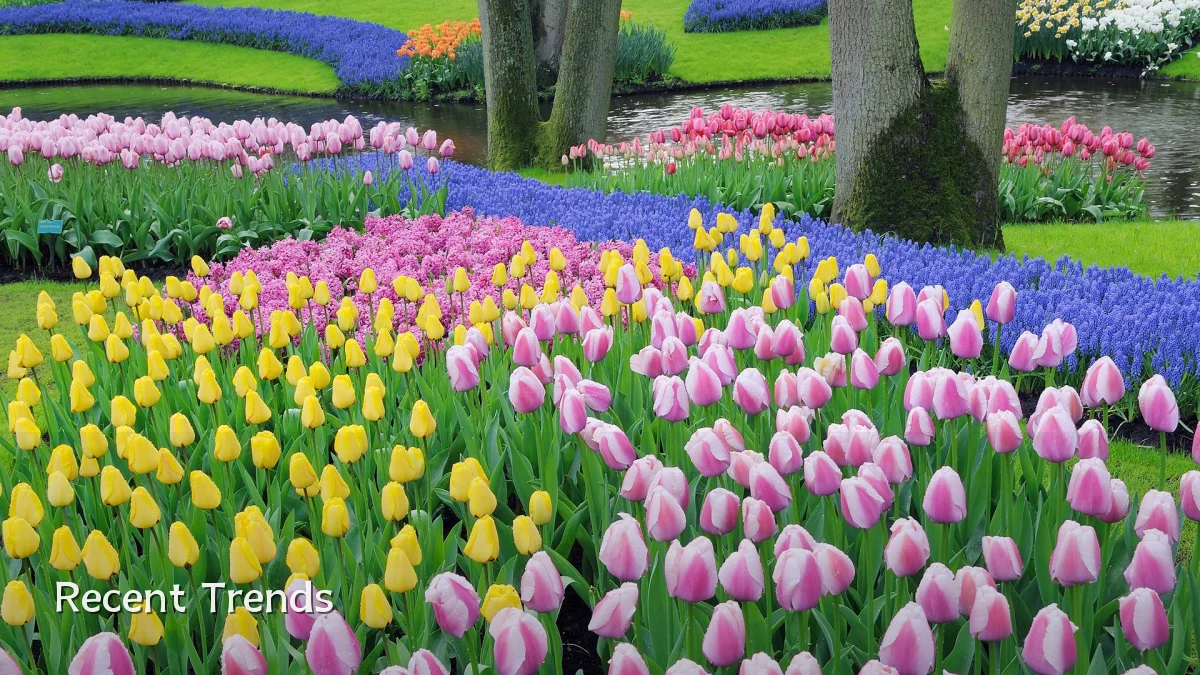
- Growing interest in “micro-retreats” – stays of three to seven days in a single ryokan or temple lodging.
- Rise of kikōbun (travel writing) that focuses on sensory experience rather than sightseeing checklists.
- Social media influencers highlighting quiet moments—morning tea, garden contemplation, walking rural trains—rather than famous landmarks.
- Rail pass redesigns that encourage longer regional stays rather than rapid cross-country hops.
Background
Japan’s relationship with time is layered: the famous punctuality of the Shinkansen coexists with a deep appreciation for cyclical, unhurried rituals like the tea ceremony or flower arranging. Visitors accustomed to efficiency-focused travel often miss the subtle rhythm of daily life—opening shutters at dawn, seasonal food offerings in temples, and the long silence between conversational turns. Slow travel, as practiced in Japan, does not mean simply moving slower; it means recalibrating expectations around productivity and pace.
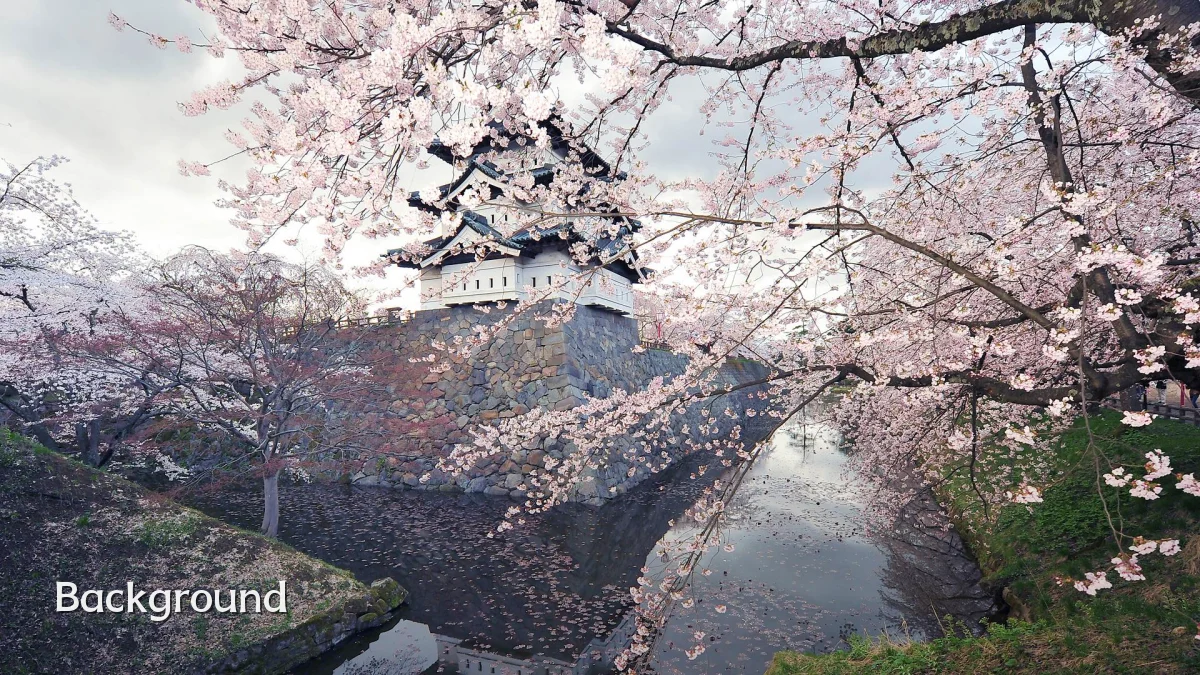
- Cultural concept of mono no aware (sensitivity to transience) encourages savoring each moment rather than rushing past it.
- Traditional inns (ryokan) operate on fixed meal and bath schedules that nudge guests into a slower daily flow.
- Regional train lines, especially on the Japan Sea coast and in Shikoku, offer leisurely journeys with few transfers, fostering extended observation of landscape and seasons.
- Post-pandemic tourism patterns showed many first-time visitors trying to “catch up” on missed trips, leading to burnout and a subsequent swing toward slower itineraries.
User Concerns
Travelers who consider slow travel in Japan often face practical and psychological hurdles. Leaving behind the “bucket-list” mindset requires intentional rethinking of what makes a trip fulfilling. Common worries include:
- Fear of missing out – worrying that skipping Kyoto’s most photographed temples or Tokyo’s neon districts means an incomplete experience.
- Language barriers in rural areas – fewer English signs and less tourism infrastructure can feel intimidating for those unaccustomed to navigating purely in Japanese.
- Cost of extended stays – while daily expenses in smaller towns may be lower, multi-week accommodation adds up, especially in popular onsen regions.
- Difficulties with transportation passes – some JR passes are designed for rapid itineraries, requiring careful calculation to match a slow travel pace.
- Internal pressure to document – the habit of capturing “Instagrammable” moments can conflict with the slow philosophy of being present.
Likely Impact
Choosing to travel slowly through Japan can reshape how one perceives time both during and after the journey. Observers note that the effect is not merely a vacation memory but a subtle behavioral shift. Travelers often report:
- A reduced sense of urgency in daily life, noticing more details in familiar surroundings back home.
- Greater comfort with unstructured hours, leading to more creative or reflective habits.
- Deeper appreciation for ritual and repetition—such as morning tea or evening baths—as grounding practices.
- More nuanced cultural understanding: seeing how Japanese concepts like wabi-sabi (beauty in imperfection) emerge naturally from slow observation rather than curated visits.
- A shift from collecting places to collecting moments, altering how one plans future travel—even for non-Japan destinations.
What to Watch Next
The slow travel movement in Japan is likely to evolve as both visitor preferences and local infrastructure adapt. Key developments to monitor:
- Regional tourism models – several prefectures, such as Tottori and Shimane, are piloting week-long cultural immersion programs that combine homestays, farming, and craft workshops.
- Government overtourism measures – policies encouraging dispersion of travelers (e.g., tax incentives for accommodations outside major hubs) could make slow travel more affordable and accessible.
- Digital detox offerings – more temples and remote lodges now advertise limited or no Wi-Fi to support the time-off experience.
- Cross-sector synergy – rail companies, local food producers, and artisans are starting to market bundled slow travel itineraries that require a minimum stay of five nights.
- Return of long-haul train journeys – renewed interest in sleeper trains and scenic limited expresses may replace high-speed commuting as a travel experience in itself.