What a Solo Trek in Patagonia Taught Me About Solitude and Resilience

In recent years, reflective trip reports — first-person accounts of challenging journeys — have gained traction among outdoor enthusiasts and mental-wellness seekers. One recurring narrative type is the solo trek through Patagonia, a region known for its extreme weather, vast landscapes, and limited connectivity. This analysis examines what such reports reveal about solitude and resilience, without relying on specific dates or personal anecdotes.
Recent Trends in Solo Adventure Travel
More travelers are choosing solo expeditions in remote areas, partly driven by a desire to disconnect from digital noise and test personal limits. Post-pandemic, interest in off-grid, self-supported trips has risen, with Patagonia frequently appearing in trip reports and social media summaries. Reflective accounts emphasize emotional rather than logistical takeaways, focusing on how isolation reshapes inner coping mechanisms.

- Increased search volume for solo trekking itineraries in Patagonia over the past three to five years.
- Growth in online communities sharing “trip reports” that combine route details with psychological reflection.
- Rise of multi-day treks (e.g., the W or O circuits) marketed as resilience-building experiences.
Background: The Appeal of Patagonia for Solo Trekkers
Patagonia’s reputation stems from its raw, unpredictable conditions — wind speeds often exceed 50 mph, trails can change overnight, and campsites offer minimal shelter. For reflective trip reports, these challenges become metaphors for confronting discomfort. Unlike guided excursions, solo treks force real-time decision-making without external reassurance, which writers frequently link to self-reliance and endurance.
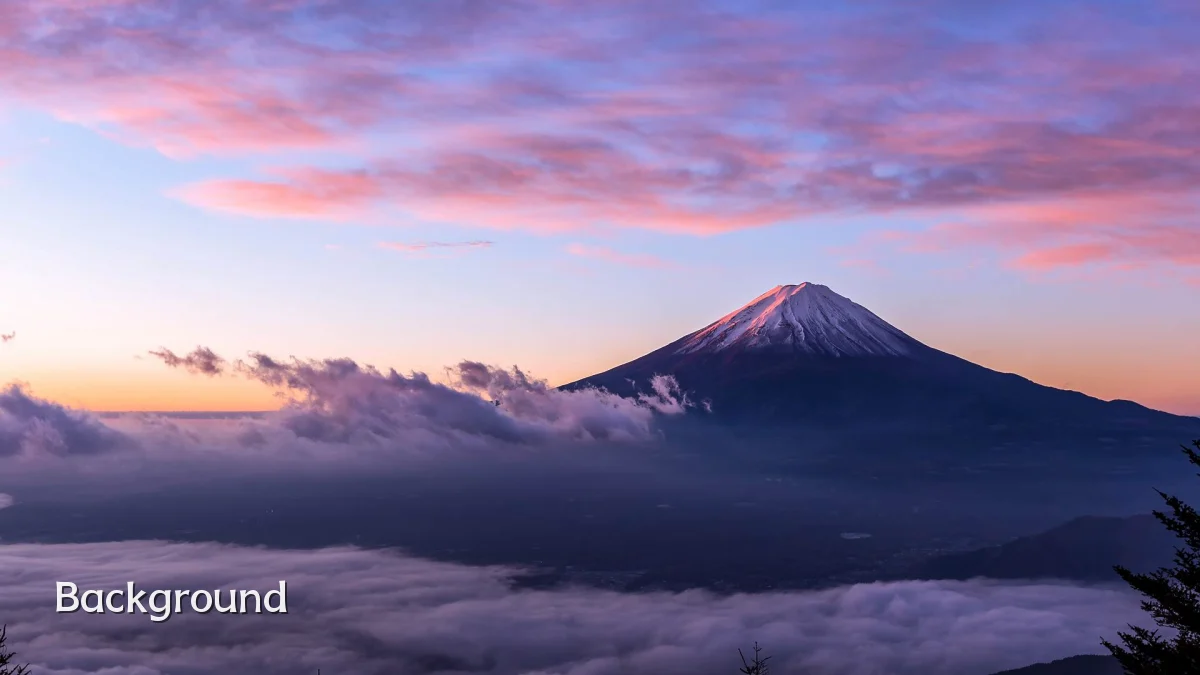
Many reports note that the physical hardship (cold, exhaustion, navigation errors) mirrors internal states of anxiety or doubt, and that overcoming them builds a persistent sense of inner strength.
User Concerns and Common Questions
Potential solo trekkers often express concerns about safety, loneliness, and mental preparation. Reflective trip reports address these by sharing practical decision criteria rather than absolutes.
- Safety – How to assess weather windows and carry emergency gear without a partner; reports clarify when to turn back or wait out a storm.
- Loneliness vs. solitude – Distinguishing unproductive isolation (rumination) from restorative aloneness; many writers establish daily routines or small rituals to stay grounded.
- Mental resilience – Coping strategies such as breaking the trek into one-hour segments, repeating mantras, or journaling to externalize fear.
- Physical limits – Knowing when to accept slower progress and how to manage hypothermia or minor injuries without immediate help.
Likely Impact on Personal Growth and Mental Health
Based on patterns across many reflective trip reports, a solo Patagonia trek often leads to measurable shifts in perspective. The solitude removes social filters, allowing participants to confront habitual negative thoughts. Resilience is described as a skill that transfers back to everyday life — handling work stress or relationship conflicts with greater calm.
- Increased tolerance for uncertainty and discomfort.
- Reduced reliance on external validation; greater trust in one’s own judgment.
- Long-term recall of “flow states” achieved during difficult sections of the trail.
- Improved ability to set boundaries and manage alone time after return.
One consistent finding in these narratives: the most transformative moments occur not at scenic viewpoints but in the middle of a storm or after a navigation mistake, suggesting that resilience is forged through failure, not perfection.
What to Watch Next in the Solo Trekking Space
As reflective trip reports evolve, readers should watch for more data-driven wellness metrics (heart rate variability, sleep logs) paired with subjective accounts. Gear manufacturers may develop lighter, more durable shelter systems specifically for solo use in exposed environments. Additionally, digital detox programs are likely to incorporate Patagonia-style treks as structured “resilience courses.” Expect increased interest in alternative routes — less frequented valleys or cross-country passes — that offer solitude without the crowds of the W circuit.
The genre itself is shifting from pure adventure log to a form of applied psychology, where the physical journey serves as a controlled experiment in human endurance. Whether or not one plans a Patagonia trip, the lessons in reflective trip reports offer practical templates for anyone navigating uncertainty alone.