Essential Camera Settings for Stunning Travel Photography
Recent Trends in Travel Photography Settings
Travel photography content has shifted toward hybrid shooting workflows, where creators capture both stills and short video clips on the same trip. Recent discussions across travel photography blogs emphasize the need for settings that adapt quickly to changing light—dawn market scenes, midday architecture, and dusk landscapes all within hours. A growing number of photographers now rely on semi-automatic modes (aperture priority or shutter priority) rather than full manual, prioritizing speed without sacrificing creative control. Meanwhile, the rise of compact mirrorless systems has made exposure bracketing and focus peaking more accessible for on-the-go shooters.
Background: Why Settings Still Matter
While smartphone computational photography improves each year, dedicated cameras remain popular among travel photography bloggers because of their ability to separate subject from background, handle low light without heavy noise reduction, and retain fine detail in complex scenes—such as intricate tilework or distant mountain ridges. Getting these results depends on three core settings:
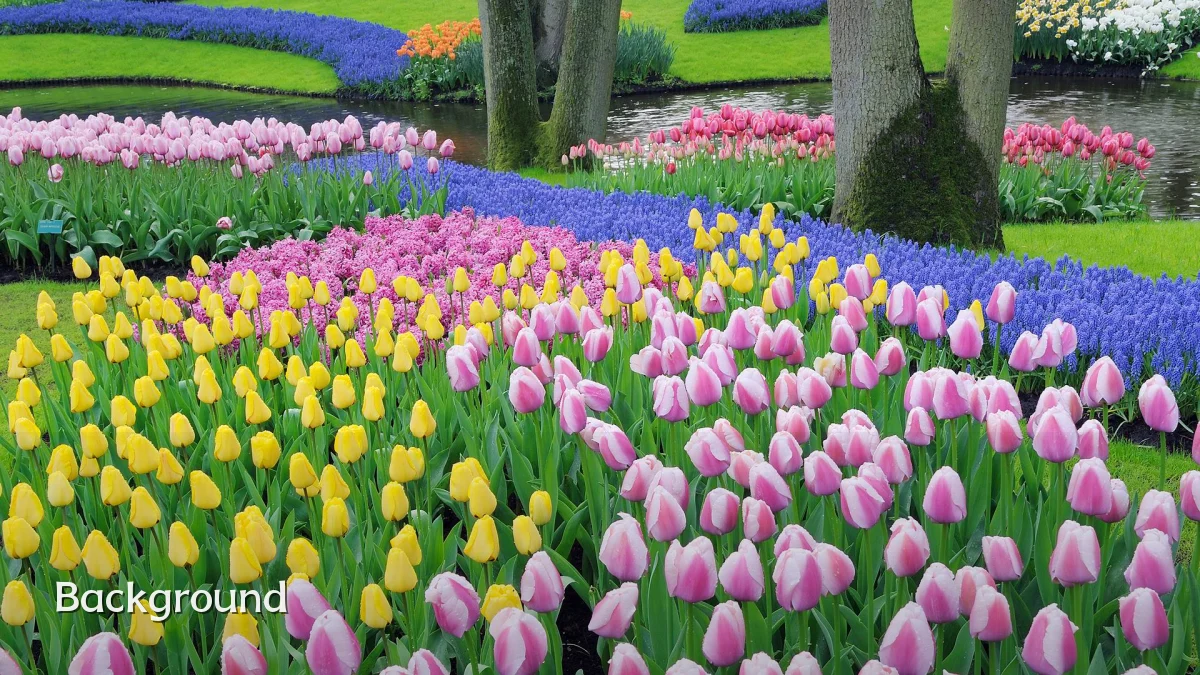
- Aperture: A wide aperture (low f-number) isolates a subject against a blurred background; a narrow aperture (high f-number) keeps an entire landscape sharp.
- Shutter speed: Fast enough to freeze motion in busy streets, slow enough to blur waterfalls or capture light trails.
- ISO: The lowest native ISO for clean detail in good light, raised cautiously when light drops to avoid loss of shadow definition.
Beyond these, white balance and picture profiles (such as flat or neutral) help produce consistent raw files that tolerate adjustments back at base.
Common User Concerns
Frequent readers of travel photography blogs raise several recurring issues when dialing in camera settings on location:
- Missed moments while adjusting: Changing settings between every scene can cause hesitation. Users want a workflow that pre-empts common scenarios.
- Overexposed skies vs. underexposed foregrounds: High-contrast travel scenes—canyons, sunsets, white temples—are tough for standard metering. Many photographers struggle to decide between exposing for highlights or shadows.
- Noise vs. sharpness at dusk: Travel often demands shooting indoors without tripods, forcing higher ISO settings that introduce visible grain. Beginners worry this makes images look “amateur.”
- Lens choice confusion: Wide-angle for landmarks, zoom for details—but which focal length dictates which aperture or shutter priority rule?
Several blogs now address these concerns by recommending scenario-based recall: save three or four custom presets on the camera’s mode dial (e.g., “bright daylight” at f/8, “street portrait” at f/2.8, “low-light static” with a minimum shutter threshold).
Likely Impact on Travel Photography Workflows
If more travel photographers adopt a settings-first mindset—rather than relying solely on auto mode—the quality of published travel content is likely to improve in several measurable ways:
- Consistency across a gallery: A single trip may yield dozens of keepers that share a coherent exposure profile, making the overall blog post feel more polished.
- Reduced post-processing time: Correct exposure at capture means less time recovering blown highlights or fixing color casts during editing.
- Greater confidence in mixed light: Photographers who understand why a setting works (not just which setting to use) can adapt quickly when a cloud covers the sun or a street lamp flickers on.
For travel photography blog readers—many of whom are intermediate enthusiasts—this approach offers a practical middle ground between fully automatic snapshots and complex technical manuals. Equipment recommendations may shift as well, with bloggers favoring cameras that offer customizable quick menus or front/rear dials that adjust aperture and shutter speed without entering menus.
What to Watch Next
The next developments in travel photography settings will likely emerge from three areas:
- AI-assisted scene detection: Cameras and editing apps are beginning to recognize travel scenes (e.g., golden hour, blue hour, indoor museum lighting) and propose starting settings. Early implementations are mixed, but gradual refinement may reduce the learning curve for newcomers.
- Bracketing on demand: High-speed burst bracketing (three to seven frames at different exposures) is becoming standard even in mid-range bodies. This could become the default safety net for high-contrast travel scenes.
- Cloud-based setting sharing: Some makers now allow photographers to upload custom setting presets to a cloud library. If travel bloggers begin sharing their “Tokyo night” or “Mediterranean noon” presets, the community may adopt shared standards for common destinations.
Travel photography blogs that monitor these trends—while continuing to emphasize fundamentals like aperture, shutter speed, and ISO—will remain useful resources for readers who want to improve without always upgrading their gear.