Must-Visit European Heritage Sites for Bloggers Who Love History and Instagram

Recent Trends
Over the past few seasons, a notable shift has emerged among travel content creators. Bloggers who once prioritized generic cityscapes now seek locations that combine documented historical significance with strong visual composition. Platform algorithm changes have also rewarded posts that tell a layered story rather than a single striking frame. This has pushed heritage sites—particularly those in Europe—into a new kind of spotlight where authenticity and shareability intersect.
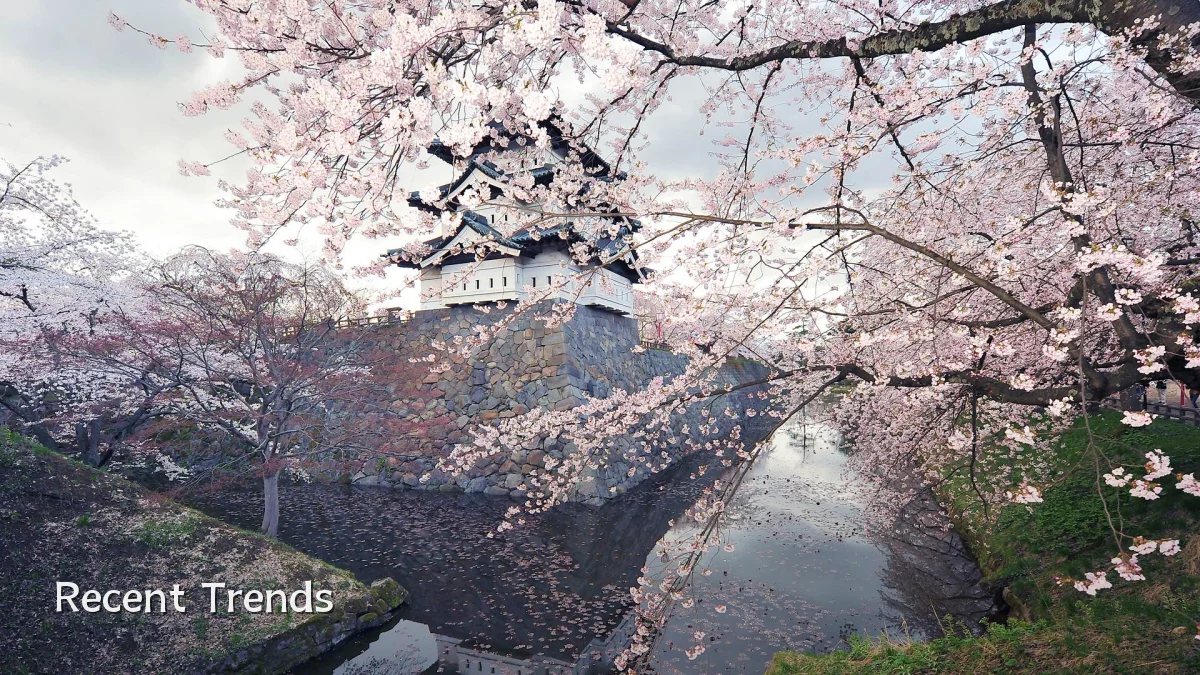
- Search interest for "historical travel content ideas" has risen steadily, driven by bloggers aiming to diversify feeds beyond landmarks.
- Heritage site social tags now frequently include both location names and thematic hashtags such as #ancientarchitecture or #medievalmood.
- Several national tourism boards have introduced dedicated press trip programs that pair heritage experts with digital storytellers.
Background
European heritage sites have long drawn visitors for their cultural weight, but the blogger economy has changed how these places are experienced and marketed. Sites such as the Acropolis in Athens, the Colosseum in Rome, and Alhambra in Granada were once covered mainly by print journalists. Today, a single Instagram post from a mid-tier blogger can influence travel decisions more than a traditional guidebook entry. This has prompted site managers and UNESCO committees to develop clearer content guidelines around commercial photography, drone use, and tripod placement. At the same time, smaller heritage locations—like lesser-known Roman ruins in Croatia or medieval hill towns in Tuscany—have seen spikes in visitation after being featured in blog roundups or Reels.

User Concerns
Bloggers balancing historical accuracy with visual appeal raise several practical concerns. The most common revolve around access, audience expectations, and ethical representation.
- Restricted photography zones: Many sites now require permits for gimbal or flash use, or ban them entirely. Bloggers risk having content removed or facing fines if they ignore posted rules.
- Overcrowding and timing: Peak season crowd control at sites like the Sagrada Familia or Stonehenge limits the ability to capture clean shots. Early morning or late evening entry slots are often booked weeks ahead.
- Depth versus aesthetics tension: Readers increasingly push back against shallow captions. A 2023 survey among travel blog subscribers found that 68% prefer posts that include at least three verified historical facts per image. Bloggers must research thoroughly or risk losing trust.
- Monetization barriers: Some heritage sites now charge commercial photography fees or require application for media passes. Independent bloggers with smaller followings may find these costs prohibitive.
Likely Impact
The intersection of heritage tourism and content creation will likely lead to more structured collaborations between site authorities and bloggers. Already, a handful of European destinations have introduced "digital storyteller" accreditation programs that grant early access in exchange for educational content. This shift may reduce the number of generic, aspirational posts and increase the volume of informative, location-sensitive storytelling. Smaller heritage sites—particularly those not yet overrun by influencers—stand to benefit disproportionately, as bloggers look for less crowded backdrops. However, the risk of overtourism at vulnerable sites remains unresolved. Without clear capacity management, the same algorithmic push that lifts a ruin to viral status can also accelerate wear on its footpaths and frescoes.
What to Watch Next
Several developments will determine how this niche evolves over the next two to three travel seasons.
- AR and in-app guidance tools: Some heritage sites are testing augmented reality overlays that let visitors see restored versions of ruins through their phone cameras. Bloggers who integrate these tools into their content may find a new angle that works for both history lovers and visual-first platforms.
- Platform policy updates: If Instagram or TikTok tighten location-tagging policies to reduce crowding, bloggers may shift toward broader regional tags rather than exact site names, which could change how discovery works.
- Grant and sponsorship models: Look for more heritage foundations to sponsor long-form blog series rather than one-off posts, mirroring how arts organizations fund journalists. This would favor bloggers who demonstrate research skills over those who rely solely on visuals.
- Audience expectations: As younger readers grow more skeptical of paid or overly curated content, the premium will increase for bloggers who can walk the line between aesthetic presentation and honest representation of site conditions, crowds, and conservation challenges.